Hot Yoga for Athletes: Learning the 26&2 Around a Training Schedule
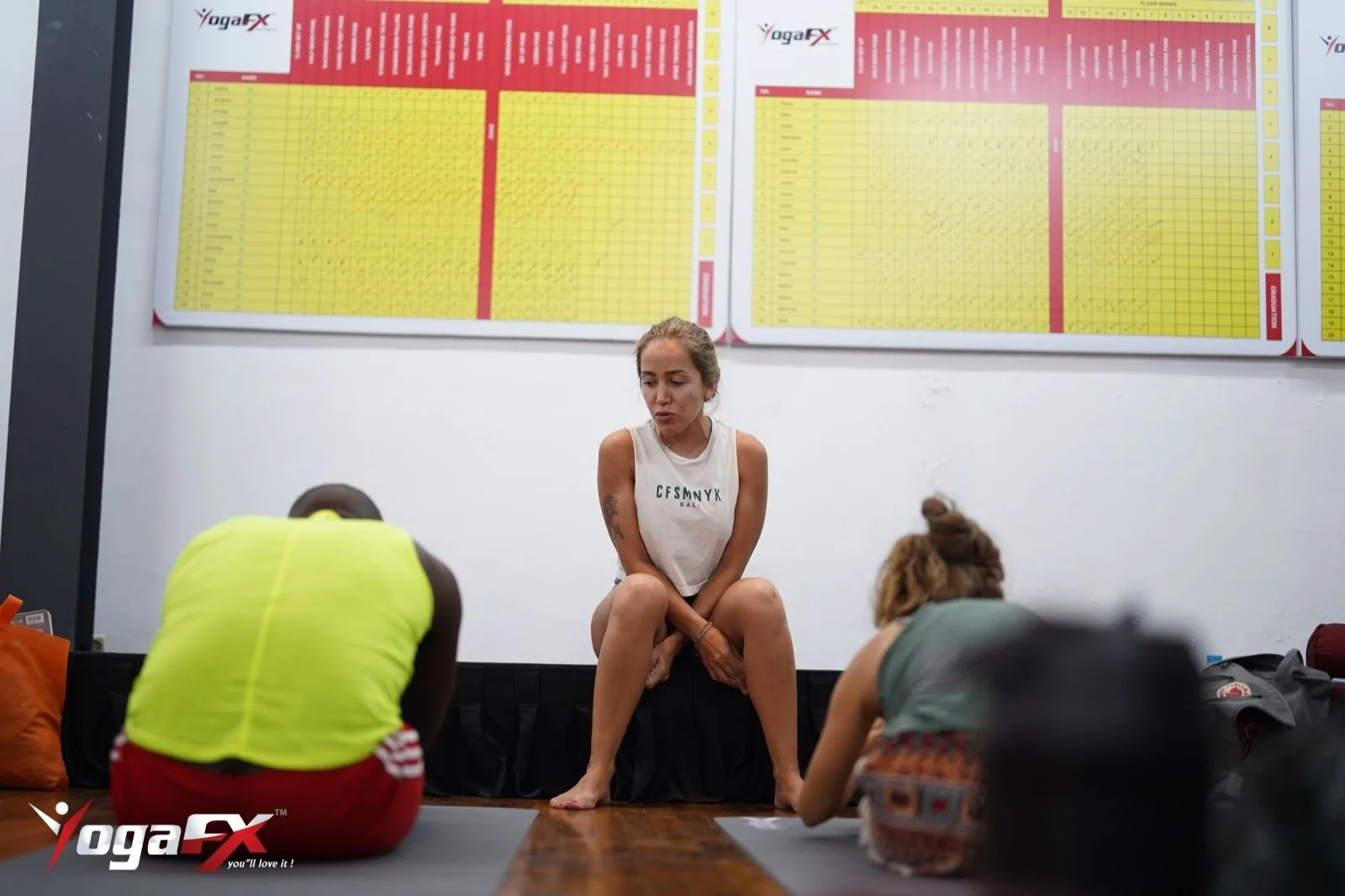
Hot yoga for athletes works best when it replaces an easy or rest day, not a hard session. One 90-minute heated class a week gives your hips, hamstrings and breathing real work, and it counts as a moderate load in your plan. Start with one class, hydrate early, and watch how your next workout feels.
Hot Yoga for Athletes: The Short Answer
Most athletes ask the same thing before a first heated class: will this help my sport, or will it cost me a session? The answer depends on where you put it. Hot yoga for athletes is not a stretch break. It is 90 minutes of standing, balancing and bending in 40°C heat, so your heart rate stays up the whole time.
Because of that, treat it as a third kind of day. It isn't a hard session and it isn't a full rest day. It sits in the middle, and it works when you plan around it. That is true whether you play five-a-side on Tuesdays, race a half marathon in spring, or still lift at 55.
Here's the rule of thumb we give athletes who ask Mr. Ian Terry how to begin:
- One class a week first. Give your body three or four weeks before you add a second one.
- Easy or rest days only. Never place a heated class the day before a match, a race or a heavy lifting day.
- Hydrate the day before. Start drinking the evening before, and keep water beside your mat.
- Leave when the room stops helping. Dizziness, a pounding headache or chills mean you step out.
That plan fits in four lines. The rest of this guide explains why each line matters, shows how to fit hot yoga for athletes around real training weeks, and covers the science behind hot yoga for athletes. It also covers something most guides skip: how a busy athlete can go one step further and learn to teach the Original Hot 26&2 sequence without giving up their sport.
Where Hot Yoga Fits in an Athlete's Training Week
A training week has a shape. Most sessions are easy, one or two are hard, and one is long or competitive. Hot yoga for athletes only works when it respects that shape. Slot it into the easy part, and the hard parts stay hard.
The table below shows three common athlete types. Use it as a pattern, not a prescription. Move the days to suit your own schedule, and cut the yoga first if you feel run down.
| Athlete type | Hard days | Best hot yoga slot | Home slot (unheated) |
|---|---|---|---|
| Amateur team sport (training Tue and Thu, match Sat) | Tue, Thu, Sat | Monday or Friday morning, never before the match | 10 to 15 minutes on Wednesday |
| Endurance athlete (runs, rides or swims 5 days) | Intervals mid-week, long session Sunday | Monday, after the long session | 15 minutes on Friday |
| Strength athlete (lifts 4 days) | Squat and deadlift days | Rest day between lifting blocks | 10 minutes after each lift |
| Masters athlete, 45 and over (3 to 4 sessions) | Two key sessions a week | One class, the day after the easier session | Short session twice a week |
Notice that heat appears once a week at most. For many athletes, one class of hot yoga for athletes is enough to learn whether it helps. If your legs feel looser the next morning and your next session feels normal, you can try a second class on another easy day.
If you cannot get to a hot room that often, an unheated session at home does most of the same mobility work. Our guide to yoga for athletes recovery lays out gentle routines for the day after hard training. Team sport players can also read yoga for footballers, and endurance athletes will find a running-specific plan in hot yoga for runners.
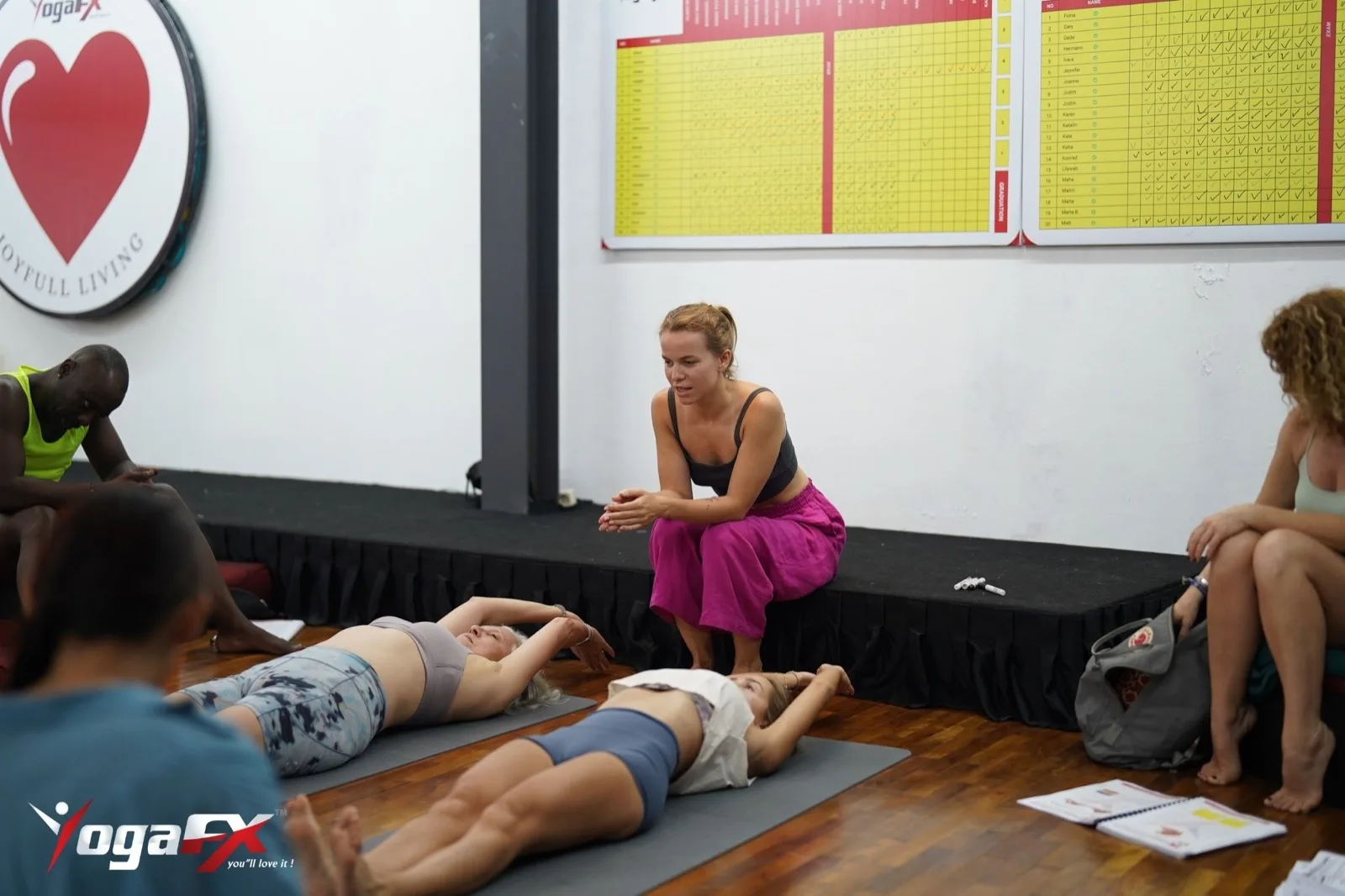
What the Research Says About Hot Yoga for Athletes
How serious athletes train
Athletes tend to trust numbers, so let us start with how serious athletes actually train. A 2010 review in the International Journal of Sports Physiology and Performance looked at endurance athletes who train 10 to 13 times a week. Seiler's review found that roughly 80% of their sessions were low intensity, with about 20% spent on hard work.
That ratio matters for hot yoga for athletes. A heated class is not low intensity. A 2014 University of Wisconsin-La Crosse study of 90-minute Bikram classes (Porcari et al.) measured about 333 calories for women and 460 for men, with average heart rate near 80% of maximum. That's a real workload, so it belongs in your moderate column, not your recovery column.
Strength and flexibility
Heat is not the only reason athletes try hot yoga for athletes style classes. A 2013 study by Tracy and Hart reported that Bikram yoga practice was linked with gains in flexibility and in posterior chain strength, the muscles along the back of the body. A 2025 systematic review by Willmott and colleagues pooled 43 studies and 942 participants, and it also points to flexibility and well-being benefits.
Two cautions apply. As far as we can tell, neither was built to test sport performance, and neither proves that a class will improve your sport. So read them as a sign that the practice builds useful range and strength, not as a promise of a faster time.
About 80%
of sessions in serious endurance training are low intensity. Roughly 20% is hard work.
Seiler, 2010
333 / 460
calories in one 90-minute Bikram class, women and men, at about 80% of maximum heart rate.
Porcari et al., 2014
6.2% vs 0.6%
change in 5-km time in the heat after five days of heat acclimation versus matched cool training, in 17 runners.
James et al., 2017
43 studies
and 942 participants in a 2025 systematic review of Bikram yoga outcomes.
Willmott et al., 2025
90 min
is one Original Hot 26&2 class at 40°C and 40% humidity. Count it as a moderate session.
YogaFX class format
What about the heat itself?
Heat is where hot yoga for athletes could add something training alone does not. In a 2017 study, James and colleagues put 17 runners through five days of controlled heat acclimation. The heat group cut their 5-km time in hot conditions by 6.2%, while the matched cool-weather group improved by 0.6%.
Again, be careful. That was a laboratory protocol, not a yoga class, and the group was small. Still, it suggests your body adapts to heat. If you compete in warm weather, regular and sensible exposure may help you handle it, and that is a fair reason to try a class.
As with every health topic, research suggests rather than proves. Speak with your doctor or a sports medicine professional before you start if you have a heart condition, low blood pressure or a history of heat illness.
Heat Rules Every Athlete Should Follow
Athletes are used to sweating. That is exactly why hot yoga for athletes needs its own rules, because heat can catch them off guard. You lose fluid faster in a 40°C room than on a cool pitch or an autumn road, and a fit body can mask the early warning signs. These rules keep a good session from turning into a bad week.
Before class
- Drink steadily for 24 hours. Do not try to catch up with a litre in the last hour.
- Eat a light meal two to three hours before. A heavy lunch and forward folds do not mix.
- Skip the hard session that morning. Even an easy hour adds to the total load.
During class
- Sip, do not gulp. Small sips between postures settle better than big mouthfuls.
- Rest when you need to. Sitting or lying down is part of the practice, not a failure.
- Watch your effort. If it feels like a tempo session, back off and keep breathing slowly.
After class
- Rehydrate with water and salt. A pinch of salt in your food or an electrolyte drink helps replace what you sweat out.
- Eat within an hour. Carbohydrate and protein support your next session.
- Check your morning pulse. If it is clearly higher than normal the next day, treat that day as rest.
Leave the room at once if you feel faint, confused, nauseous or very cold. These are signs of overheating, not toughness tests. If you feel flat for hours afterwards, that is common in the first weeks, and it usually fades as your body adapts.
One more practical point, because athletes often ask about it. Warm, damp rooms and shared floors are where athlete's foot spreads. Bring your own mat and towel, dry between your toes, and wear sandals to and from the room. If an itchy rash appears, see a doctor or pharmacist rather than guessing.
Masters Athletes: A Slower Build and Smarter Recovery
If you are over 40 and still compete, you probably know that recovery is the real limit, not motivation. Hot yoga for athletes over 40 can look like a gift for stiff hips and tight calves. It can also be one more stress on a body that already needs more time to bounce back.
So build slowly with hot yoga for athletes. Start with a few unheated home sessions, then add a warm room, then a full heated class. Our guide to yoga for men over 40 describes that gradual order in detail, and it works for athletes of any gender.
The Original Hot 26&2 sequence suits many masters athletes for a simple reason. It opens with Standing Deep Breathing, a pranayama exercise that teaches slow breathing as the room warms. The rest has no arm balances and no inversions, and it repeats the same 26 postures every class. That repetition gives you a personal benchmark. If your balance in one posture is worse in week six than in week two, your training load is telling you something.
Learning the 26&2 Around a Training Schedule
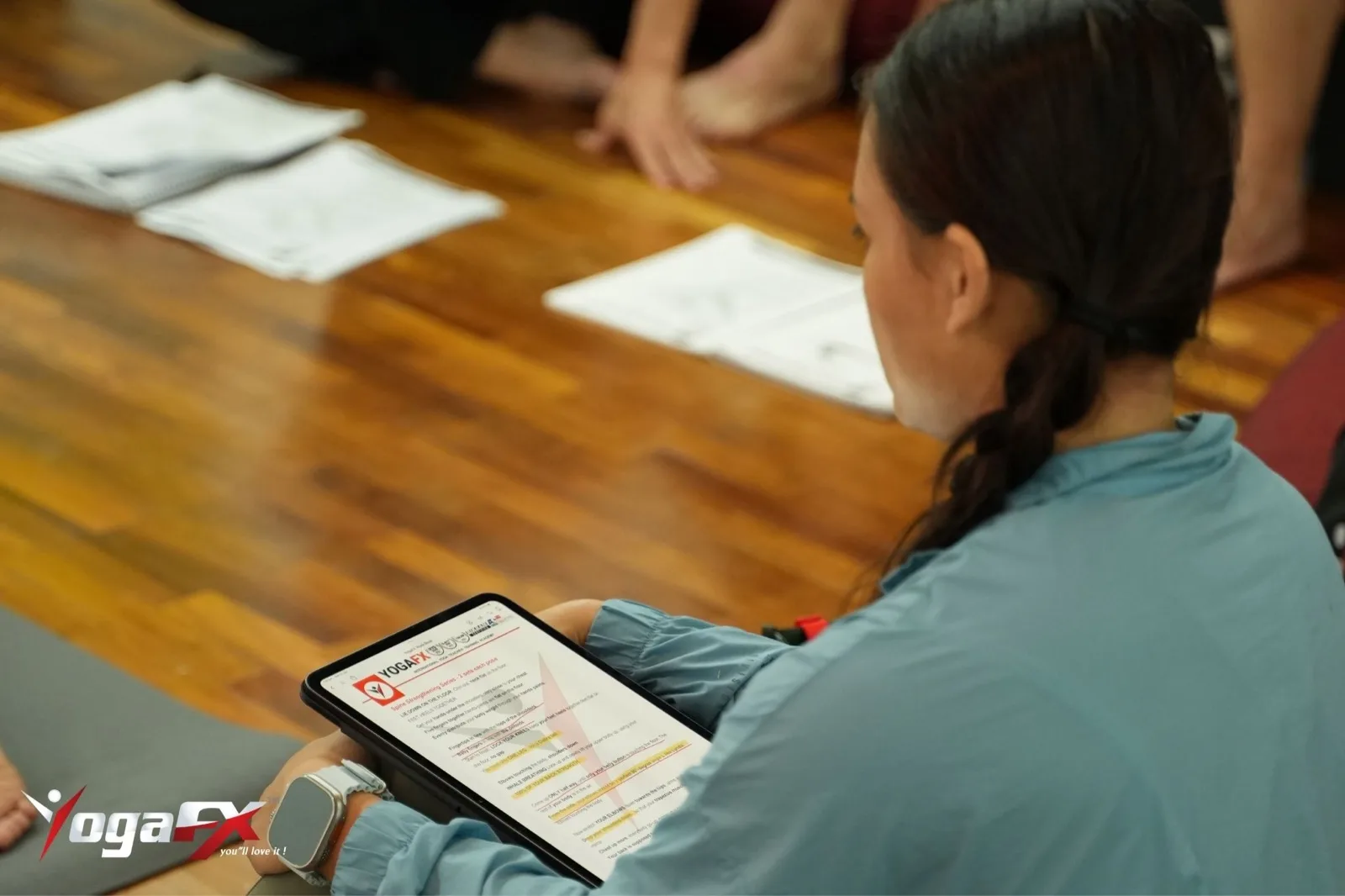
Some athletes fall for hot yoga for athletes and want to go deeper. They want to understand the sequence, coach it, or teach it on the side. The usual obstacle is time. A month-long retreat does not fit a season, a job and a family.
That is why we built the training as a hybrid. You study online first, at your own pace. Then you join a short, practical intensive in Bali. The programme runs six days, from a Sunday check-in to a Friday check-out. The next intensive checks in on Sunday 24 January 2027 and checks out on Friday 29 January 2027.
It leads to two certifications: a Yoga Alliance RYT 200-Hour certificate and the Bikram Hot 26&2 200-Hour International Yoga Certification. Teachers who are already certified can take the programme for YACEP hours.
A sample four-week study block
The online part is the piece that fits around training. Here is how one athlete might lay out four weeks of study without touching a hard session. The times are examples, so adjust them to your own calendar.
| Week | Suggested study focus | Time needed | Where it fits |
|---|---|---|---|
| Week 1 | Class format, heat safety and the opening breathing exercise | About 3 hours | Two evenings after an easy session |
| Week 2 | First half of the standing series, with home practice | About 4 hours | Rest day plus one short evening |
| Week 3 | Second half of the standing series and the floor series | About 4 hours | Rest day plus one lunch break |
| Week 4 | Reciting short sections aloud and recording yourself | About 3 hours | Easy day, before bed |
Notice what the plan avoids. It never asks for study on the evening before a match or a key session. Learning needs a clear head, and so does hard training, so give each its own space.
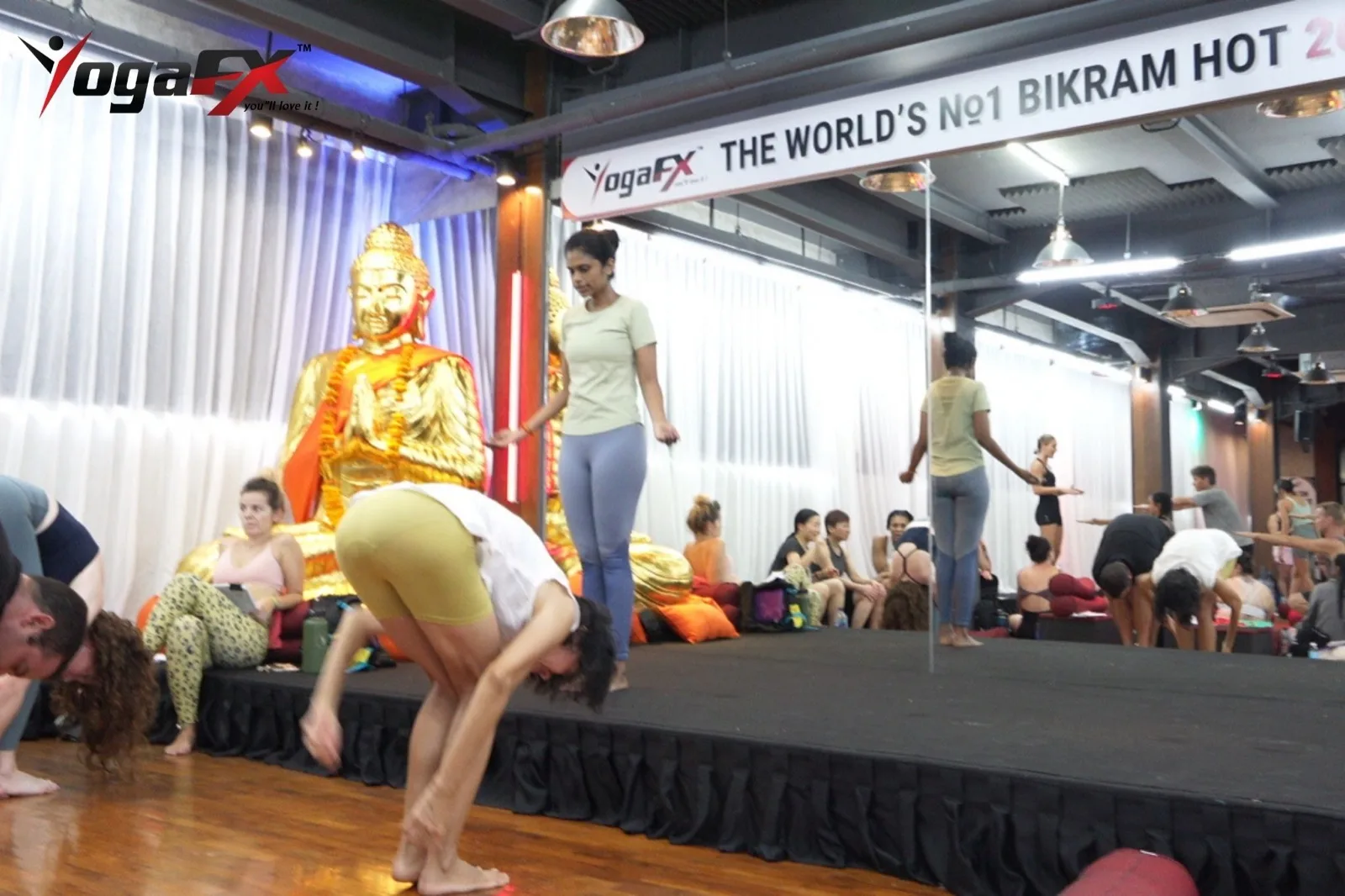
If this sounds like your next step, read our guide to hot yoga teacher training. It explains the routes open to someone with a full-time job and a training plan.
Three Safe Ways to Add Hot Yoga to Your Season
There is no single correct schedule. Below are three patterns that work for different athletes. Pick the pattern of hot yoga for athletes that matches your season, and adjust after a month.
1. The off-season build
In the off-season, you have room to try two classes of hot yoga for athletes a week. Add one, wait three weeks, then add the second. Because you are not racing, you can afford a flat day while your body adapts to heat.
2. The in-season maintenance class
During the season, keep hot yoga for athletes to one class on the easiest day. Treat it as maintenance for hips, hamstrings and breathing. If your results or your sleep slip, drop it without guilt.
3. The taper and travel rule
In the last week before a key event, skip new heat exposure. Your body should arrive rested and familiar with everything it will face. After the event, wait several days, start with an unheated home session, and return to the hot room once your legs feel normal.
Whichever pattern you use, write down how your next session felt. After four weeks you will have your own data, and your own data beats any article.
What Students Say About the Training
Athletes aren't the only people who find the training hard and worth it. Here is what three students told us in their own words.
"This has been the most impactful experience of my entire life and I wish to relive the memories and the lessons day after day for the rest of my life."
Greta, Google review, 2026
"The entire program was clearly structured with a view to actually implementing the learning; there was no abstract, ambiguous learning."
Amanda, Yoga Alliance review, 2019
"We had to work so hard but it was so worth it."
Celia, Yoga Alliance review, 2025
None of these students were writing about hot yoga for athletes. Still, the lesson carries over. The habit of staying with a hard minute, and not quitting it, is the same one that gets you through week eight of a training block.
How Mr. Ian Terry Teaches the Original Hot 26&2 Class
Mr. Ian Terry is an E-RYT 500 teacher with more than 12,000 teaching hours and over 1,500 graduates from 80+ countries. He trained for five years, from 2014 to 2019, with the founder of the Bikram Hot 26&2 method.
His classes run 90 minutes in 40°C heat and 40% humidity, taught from a scripted dialogue with no music and no demonstration.
For hot yoga for athletes, that style has a practical benefit. Nobody shows you a deeper version to chase, and the same cues repeat every class. You can match your effort to your own legs on the day, and that's the point. Athletes who are used to coaches pushing them often find that quiet change useful.
Our online students, many of them drawn in by hot yoga for athletes, include runners, cyclists, lifters and team sport players. Some come only to practise at home. Others go on to teach, and they do it around their training without giving up their sport.
FAQ: Hot Yoga for Athletes, Answered
Is hot yoga good for athletes?
Hot yoga for athletes works well when it replaces an easy day, not a hard one. It trains hips, hamstrings, calves and breathing, and a 90-minute class counts as a moderate session. Start with one class a week and see how your next workout feels before adding more.
Is yoga good for athletes in general?
Yes, most athletes benefit from some yoga. Gentle, unheated sessions can add range of motion and calm breathing without much extra stress. Heated classes add a bigger load, so plan them like any moderate session and keep your hardest training days free of them.
Is hot yoga good for runners?
It can be, if you place it on an easy or rest day and never before a long run or race. Runners often like the hip and hamstring work. Our dedicated guide to hot yoga for runners shows a sample week and the heat rules in more detail.
Can hot yoga replace a recovery day?
Not fully. A heated class raises your heart rate and body temperature, so it is closer to a moderate session than to rest. After a race or very hard training, a cool, unheated home session is usually kinder than 90 minutes in 40°C heat.
How do I avoid athlete's foot at hot yoga?
Bring your own mat and towel, dry between your toes after class, and wear sandals in changing areas. Warm, damp floors help fungus spread. If you notice itching, peeling or a rash between the toes, see a doctor or pharmacist for advice.
Still have questions? Message Mr. Ian and the YogaFX team on WhatsApp and we will answer them personally. Start with one class, notice how your next session feels, and build from there. Always consult a healthcare professional before starting a new heated exercise routine.